
Top 5 Debt Consolidation Mistakes to Avoid
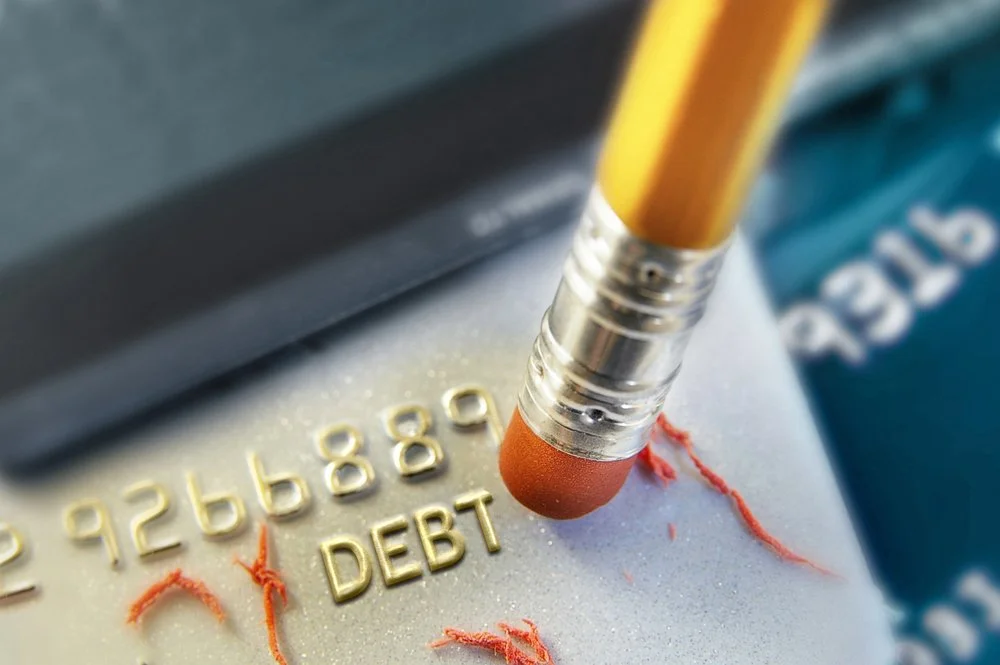
Debt consolidation can be a smart strategy for those trying to manage multiple debts more effectively. The idea is to combine several loans or credit card balances into a single payment, ideally at a lower interest rate. This can simplify budgeting, lower monthly payments, and reduce financial stress. However, many consumers unintentionally sabotage their progress through avoidable missteps. Understanding the most common debt errors is essential for anyone considering this financial tool.
Whether you are consolidating credit card balances, student loans, or other forms of unsecured debt, the path to financial stability depends on avoiding consolidation pitfalls that could set you further back. Here are five major debt planning mistakes to steer clear of when pursuing a consolidation strategy.
1. Choosing the Wrong Type of Consolidation Loan
One of the most frequent consolidation pitfalls is selecting the wrong type of loan. Not all debt consolidation options are created equal. Some people hastily choose a high-interest personal loan or transfer balances to a credit card with promotional rates without considering the fine print. Others may take out a home equity loan, risking their home as collateral, simply because the interest rate looks favorable.
Different consolidation products work better for different financial situations. A balance transfer credit card might offer zero percent interest for a limited time, but that benefit disappears if you miss a payment or fail to pay off the balance before the introductory period ends. A personal loan might simplify your payments but may come with origination fees or higher rates if your credit score is low.
Selecting the wrong loan can increase your total debt burden over time. Always compare your options carefully, taking into account not only interest rates but also terms, fees, and how they align with your repayment capabilities. Avoid jumping at the first offer without doing a comprehensive cost analysis.
2. Failing to Address the Root Cause of Debt
Another common oversight in debt planning is treating consolidation as a cure-all rather than a component of a broader financial solution. Consolidation makes repayment easier, but it does not eliminate debt. Many borrowers make the mistake of consolidating their loans without changing the behaviors that led them into debt in the first place.
Without a realistic and sustainable financial plan, debt can quickly creep back up. People often continue to rely on credit cards even after consolidating their balances, assuming they now have more room to spend. This creates a dangerous cycle where the consolidated loan becomes just another debt added to an already growing pile.
To truly benefit from debt consolidation, it is important to evaluate your spending habits, create a structured budget, and stick to it. Understand what triggered your financial imbalance, whether it was overspending, unexpected emergencies, or lack of income. Addressing these underlying issues is crucial if you want to break the debt cycle permanently.
3. Ignoring Loan Terms and Fine Print
One of the most avoidable consolidation pitfalls involves neglecting to read the terms and conditions of a new loan or balance transfer agreement. Debt consolidation products often come with hidden fees, clauses, or stipulations that can hurt you in the long run. For instance, balance transfer credit cards may advertise zero percent interest for a certain period but also include steep fees on transferred balances and significantly higher rates once the promotional period ends.
Additionally, some personal loans include prepayment penalties, meaning you will be charged a fee if you try to pay off the loan early. Others may bundle unnecessary insurance products or include variable interest rates that could rise over time.
These kinds of details can dramatically impact the actual cost of your consolidation. It is essential to read and fully understand the agreement before signing. Ask questions, do your research, and never assume that all consolidation loans operate the same way. Skipping this step is one of the most common debt errors that end up costing consumers more money than they save.
4. Not Creating a Repayment Plan
Consolidation can simplify payments, but without a structured and realistic repayment plan, it is easy to fall behind or misuse the financial breathing room. Many borrowers consolidate their debt and assume they are in the clear, only to find themselves facing mounting payments again a few months later.
A major debt planning mistake is not aligning your new payment schedule with your income and monthly obligations. Just because your payment is lower does not mean it is automatically affordable. Moreover, extending your loan term to reduce your monthly payment might feel comfortable in the short term, but it can result in significantly higher interest costs over time.
A solid repayment plan includes a clear timeline, consistent payments, and ideally, additional contributions whenever possible. Automating payments, setting reminders, and regularly checking your progress can help keep you on track. A good plan not only helps you avoid late fees and credit score damage but also builds momentum toward being debt-free.
5. Continuing to Accumulate New Debt
Perhaps the most damaging of all consolidation pitfalls is continuing to rely on credit after consolidating existing balances. Once a consolidation loan is approved or credit cards are paid off, it can be tempting to start using them again. Many people feel a false sense of financial freedom and gradually rack up new balances, negating the benefits of consolidation.
This behavior can quickly lead to a worse financial situation than before. Now you are not only responsible for the new credit card charges but also the monthly payment on your consolidation loan. The total debt load increases, often without the means to pay it down effectively.
To prevent this scenario, it is important to establish firm spending limits and stick to them. Consider cutting up or freezing credit cards, reducing available credit limits, or closing accounts if necessary. If you must keep a card open for credit score reasons, restrict its use to essential and budgeted expenses only. Focus all your energy on repaying the consolidated debt and avoid taking on any new obligations until that goal is achieved.
Conclusion
Debt consolidation can be a powerful financial tool when used correctly, but it is not a magic fix. The process demands careful planning, disciplined financial behavior, and a thorough understanding of loan terms. By avoiding the most common debt errors and watching out for consolidation pitfalls, you can maximize the benefits of this strategy and move closer to long-term financial stability.
Recognizing and avoiding these five debt planning mistakes can make a significant difference in your financial journey. Rather than viewing consolidation as a solution in itself, treat it as one part of a comprehensive debt management plan. Take the time to evaluate your habits, create a realistic repayment schedule, and commit to breaking the cycle of debt. With the right approach, consolidation can be a stepping stone toward lasting financial health.
Take the First Step Toward Financial Harmony
We help couples take control of their cash flow, align their daily money decisions with shared values, and build practical strategies for spending, saving, and talking about money without anxiety or conflict. With our backgrounds in education and healthcare, we bring structure, empathy, and real life tools to your financial conversations, picking up where traditional planners and accountants stop. Connect with us today and let us work together toward financial independence, open communication, and a more secure, balanced future you can enjoy as a team.
